
The history of
the grange at potowomut
57 Old Forge Road · Potowomut, Rhode Island · Est. 1723


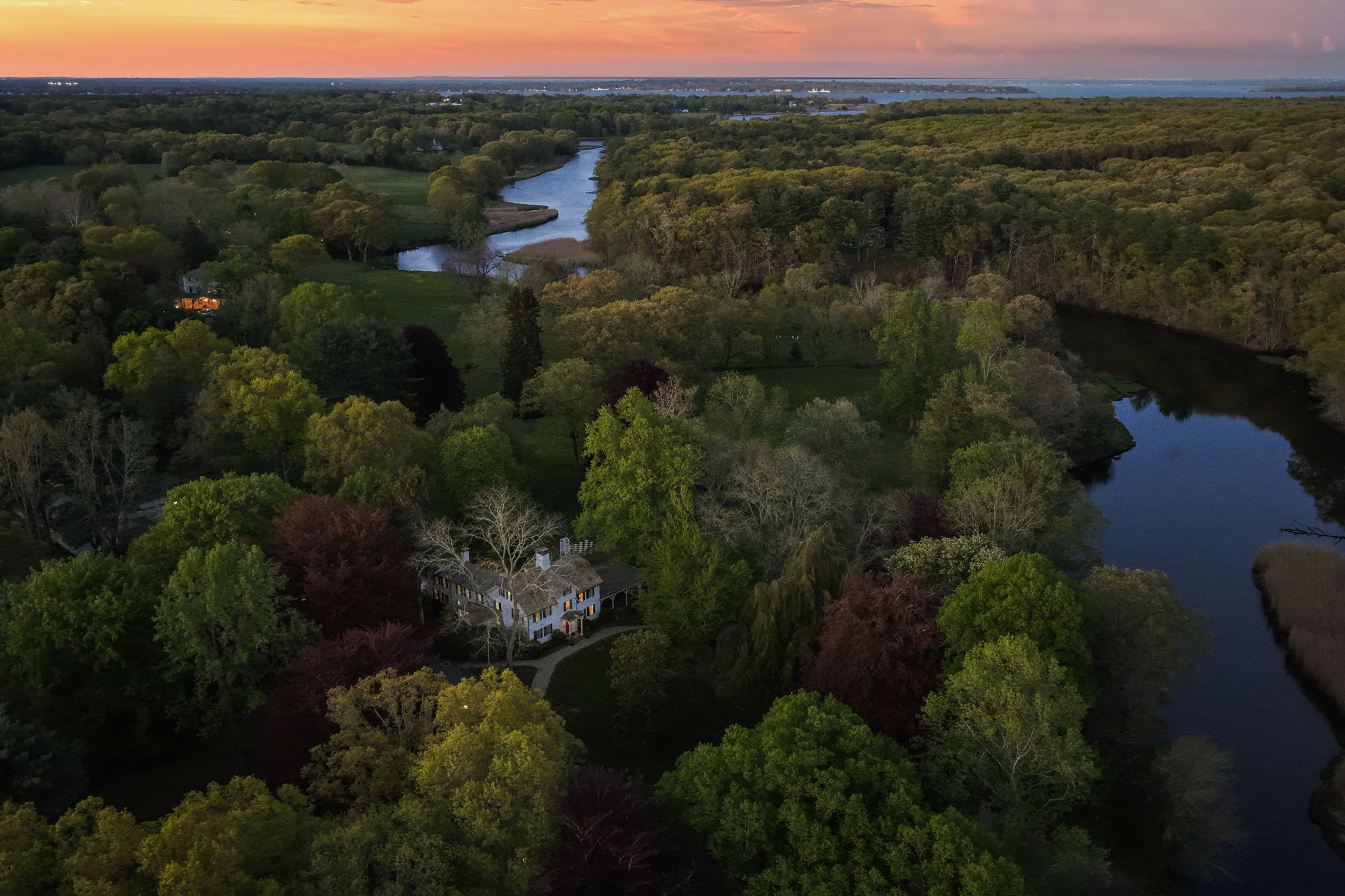
three centuries of history
There are people who have spent their lives building something worth remembering. Who understand, in a way that is difficult to articulate, that the most meaningful things are the ones that outlast us. That the houses we choose say something about who we are and who we intend to become.
The Grange at Potowomut has been speaking that language for three hundred years. What follows is not a list of historical footnotes. It is the story of a house that has been at the center of American life since before America existed and what it means to be the person who carries it forward.
The Annals of My Home at The Grange
Forty-five pages. Written by firelight in 1856. Three centuries of documented history, addressed to the people who would come after.
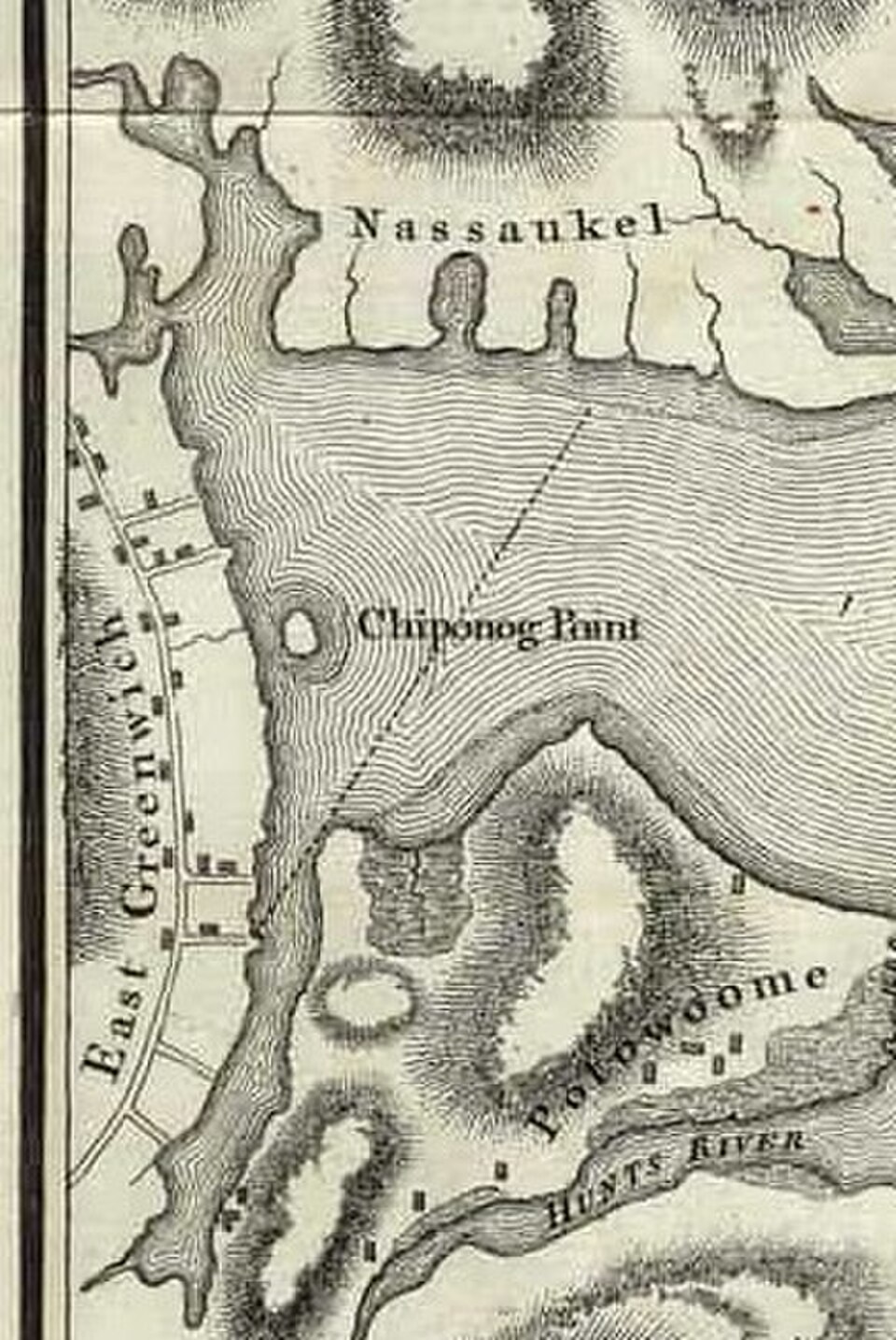
Narragansett Bay nautical chart, 1777. Charles Blaskowitz / William Faden. Public Domain.
Before the House
The Potowomut peninsula was Greene family land before Rhode Island was a colony. John Greene, a surgeon and peer of Roger Williams, was among the earliest settlers. He sent sons across the bay to settle the peninsula. In 1684, James II Greene built on the hill above the river at the site known as The Forge. His son Jabez III built directly across the road on the river. That house became The Grange.
The forge that gave this road its name was no small operation. Three forges stood at the corner of the property, each with its own anvil, chimney, and bellows. The Greene family produced ship anchors here, transported to Newport and out to sea. The last anchor forged on these grounds still sits at the base of the Forge Farm driveway across the road today.
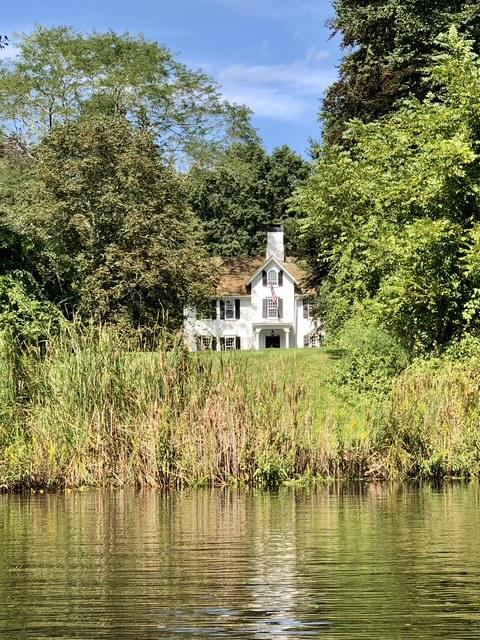
1723: The House Is Built
Jabez III Greene built the first house on this site in 1723. On New Year's Eve, 1731, it burned to the ground. Jabez petitioned the Rhode Island General Assembly for help. They voted to assist. The house was rebuilt in 1732.
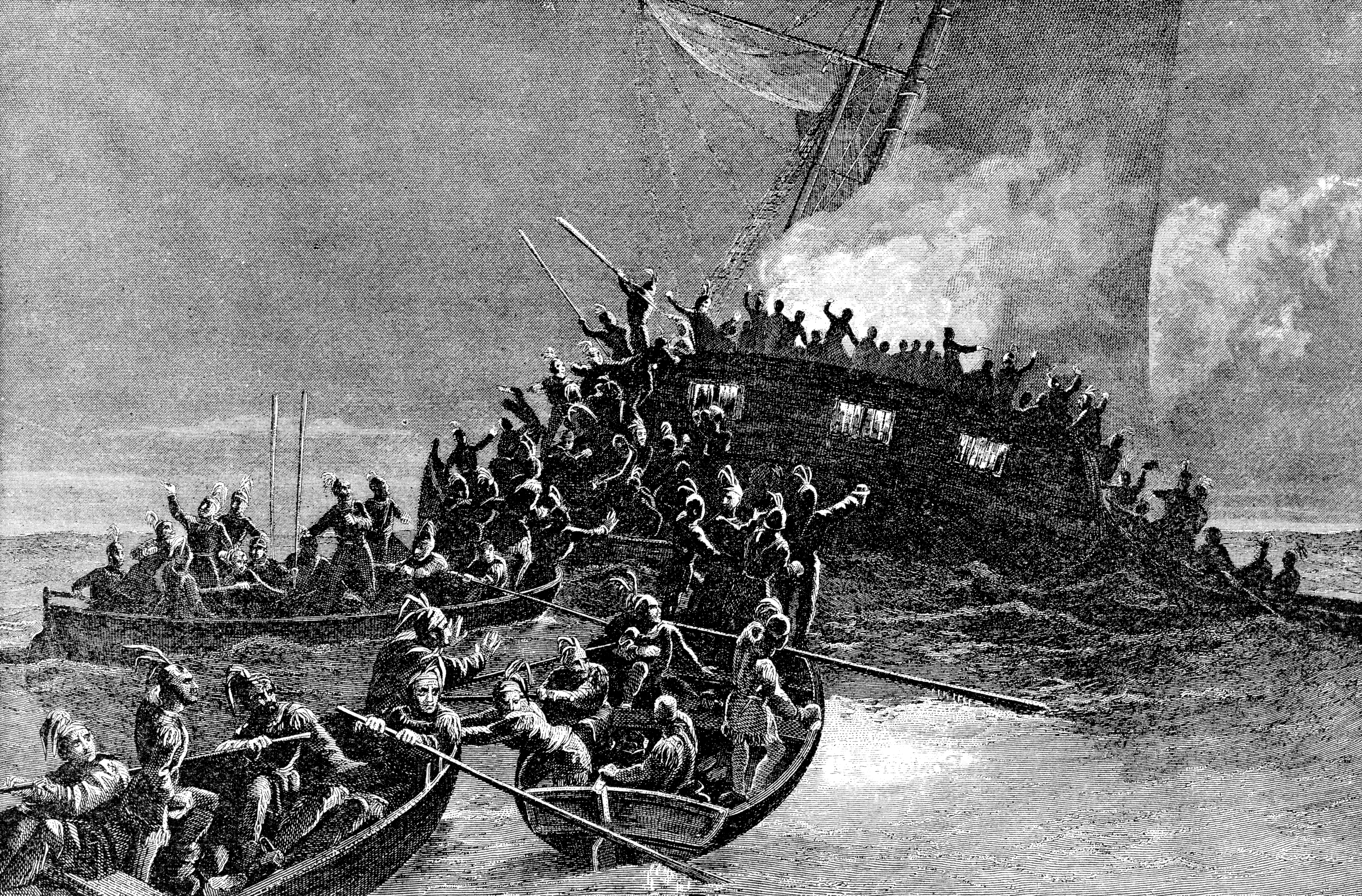
Destruction of the schooner Gaspee, from an old engraving. The Providence Plantations for 250 Years (1886), page 59. Public Domain.
1772: the fire in the bay
On a June night in 1772, the British revenue schooner Gaspee ran aground in Narragansett Bay and was boarded and burned by Rhode Island patriots. It was one of the first organized acts of rebellion against the Crown, a year before the Boston Tea Party, three years before Lexington and Concord.
From the attic of The Grange, they could see the fire.
This house was not a bystander to history. It was present for it.
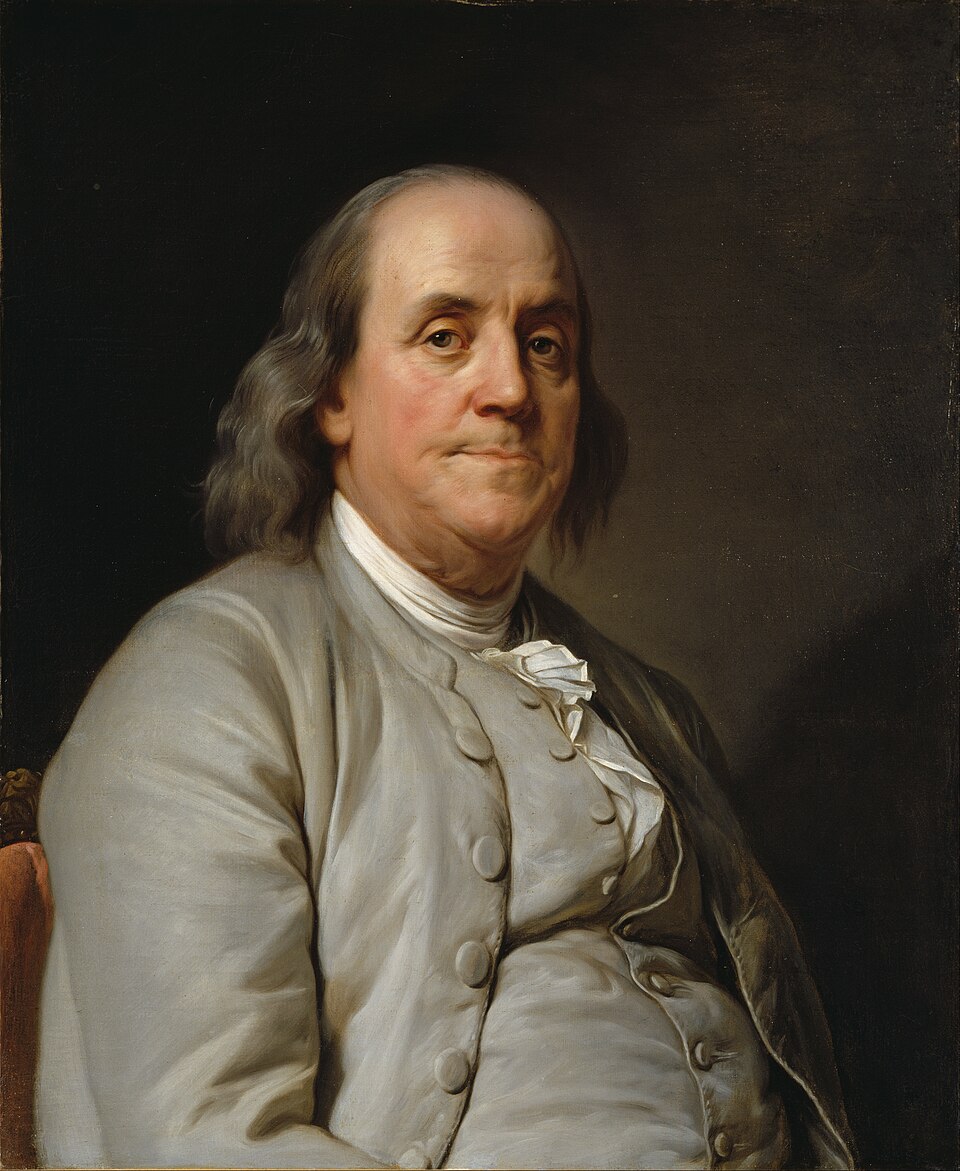
Benjamin Franklin, ca. 1785. Portrait by Joseph-Siffred Duplessis. Public Domain.
1775: the revolutionary war
When British forces occupied Boston in 1775, Benjamin Franklin's youngest sister Jane Franklin Mecom needed somewhere safe to go. She came to The Grange. She stayed for months and returned many times. Her granddaughter Jane Flagg eventually married Elihu Greene and came to live in this house.
Franklin's visits here are not documented but have been long suspected.
Directly across Old Forge Road is Forge Farm, the birthplace of General Nathanael Greene, Washington's second-in-command and the general credited with turning the Southern Campaign of the Revolutionary War. Colonial stone walls run along the road between the two properties. In places, passages are cut through them, worn open by Nathanael and Elihu Greene crossing back and forth so often they cut through rather than walked around. The passages are still there.
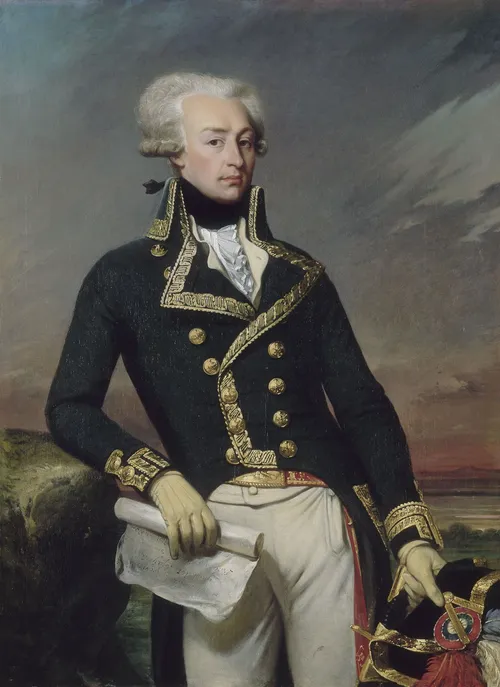
Gilbert du Motier, Marquis de Lafayette, 1834. Portrait by Joseph-Désiré Court. Public Domain.
post revolution: lafayette
The Marquis de Lafayette came to America at nineteen to fight in the Revolutionary War voluntarily and at his own expense. He became one of Washington's most trusted generals and closest friends. He was active in Rhode Island in 1780 and 1781, and it was during this period that he visited Potowomut and named this property after his own estate in France, la Grangerie.
The Grange bears no resemblance to Lafayette's French estate in its architecture. But stand at the river's edge on a still morning and look out through the trees to the water, and you can understand what moved him. The sweep of the grounds, the canopy overhead, the river finding its way to the bay. He saw something in this place that reminded him of home.
1848: the school room
Between 1848 and 1856, The Grange served as a private school under Charles W. Greene and his wife Frances. Seven hundred scholars passed through this house. The east wing was added during this period, as the schoolroom.
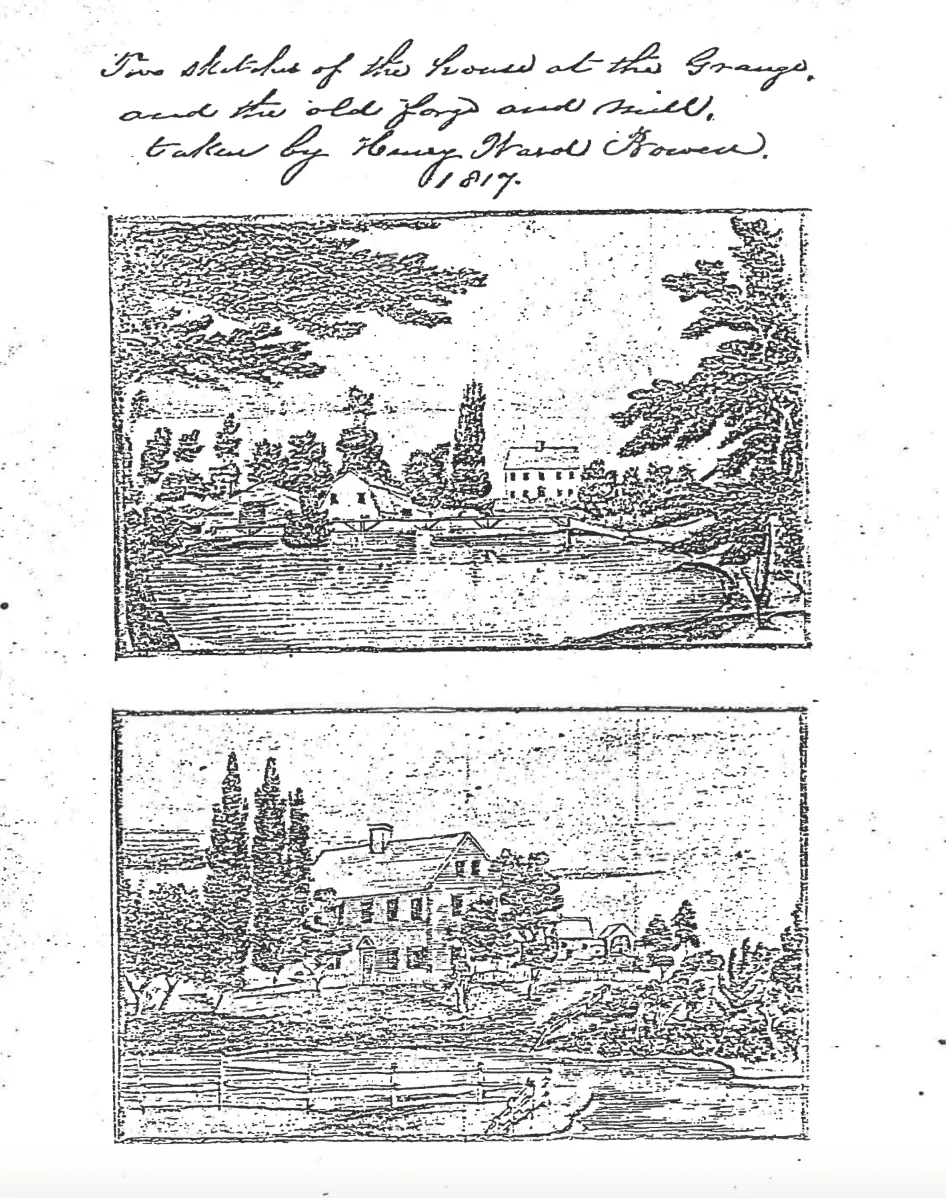
From the Annals of My Home at The Grange, Rufus Waterman, 1856. Collection of the owners
The 1850s: Rufus Waterman
When Rufus Waterman came to own The Grange in the mid-nineteenth century, he inherited a house with more than a century of history already in its walls.
He found the driveway straight and replaced it with a long curved approach, planting a row of oaks on either side. He knew he would never see them at full height. They are four stories tall today.
He reshaped the grounds in a way that has held for nearly two hundred years. The layout — the sweep of the lawn, the way the approach reveals the house gradually, the relationship between the river, the trees, and the open land is consistent with the work of Frederick Law Olmsted, who was designing estates across this region during the same decade. The Olmsted Foundation has not confirmed or denied a connection. The timing, the geography, and the character of the landscape make it a question worth asking.
He installed the John Moyer Smith Four Seasons fireplace tiles in the dining room, the same Victorian series held today in the permanent collections of the British Museum in London and a national museum in Australia. They have not moved since.
He also signed his name on a wall in old paint. It is still visible.
And in the winter of 1856, he sat by the west parlor fire and wrote. Forty-five pages addressed to his grandchildren, documenting the history of this property from 1654 forward, the families who had built it, the figures who had passed through it, the stories that lived in its rooms. He called it the Annals of My Home at The Grange. He wrote it so that whoever would one day sit in that room and wonder about the walls around them would have a record to reach for.

Ruins of Atlanta depot after burning by General Sherman's troops, 1864. Unknown photographer. Public Domain.
SEPTEMBER 3, 1864
General Ambrose Burnside, Governor Anthony of Rhode Island, and George William Curtis, editor of Harper's Weekly, were at dinner at The Grange when word arrived that General Sherman had taken Atlanta.
The journal entry from that evening reads: "today we have heard the news of the burning of Atlanta. How excited we all are."
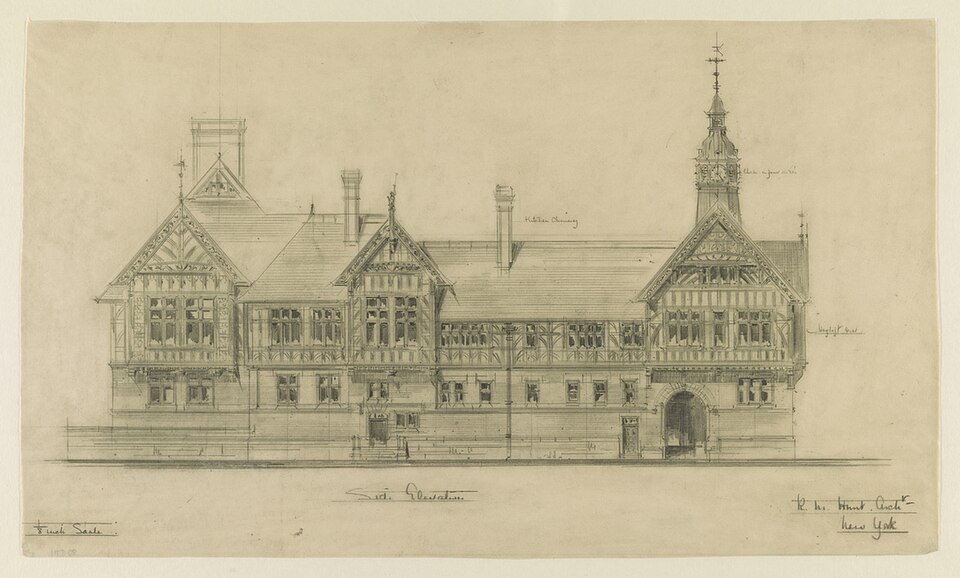
Belcourt, summer estate for Oliver H.P. Belmont, Newport, Rhode Island. Architectural drawing by Richard Morris Hunt, 1891. Public Domain
Early 1900s: The Beginning of Car Collecting
In the early twentieth century, George Waterman lived at The Grange. He and his neighbor Kirkland Gibson began assembling a collection of historic automobiles and stored it on this property. Hagerty, the automotive history publication, has named Waterman and Gibson among the founding fathers of modern car collecting in America. The collection eventually outgrew the grounds. They purchased Belcourt Mansion in Newport to house it publicly. It started here.
The full story of Waterman, Gibson, and the collection that outgrew a colonial estate is documented by Hagerty. Read it here →
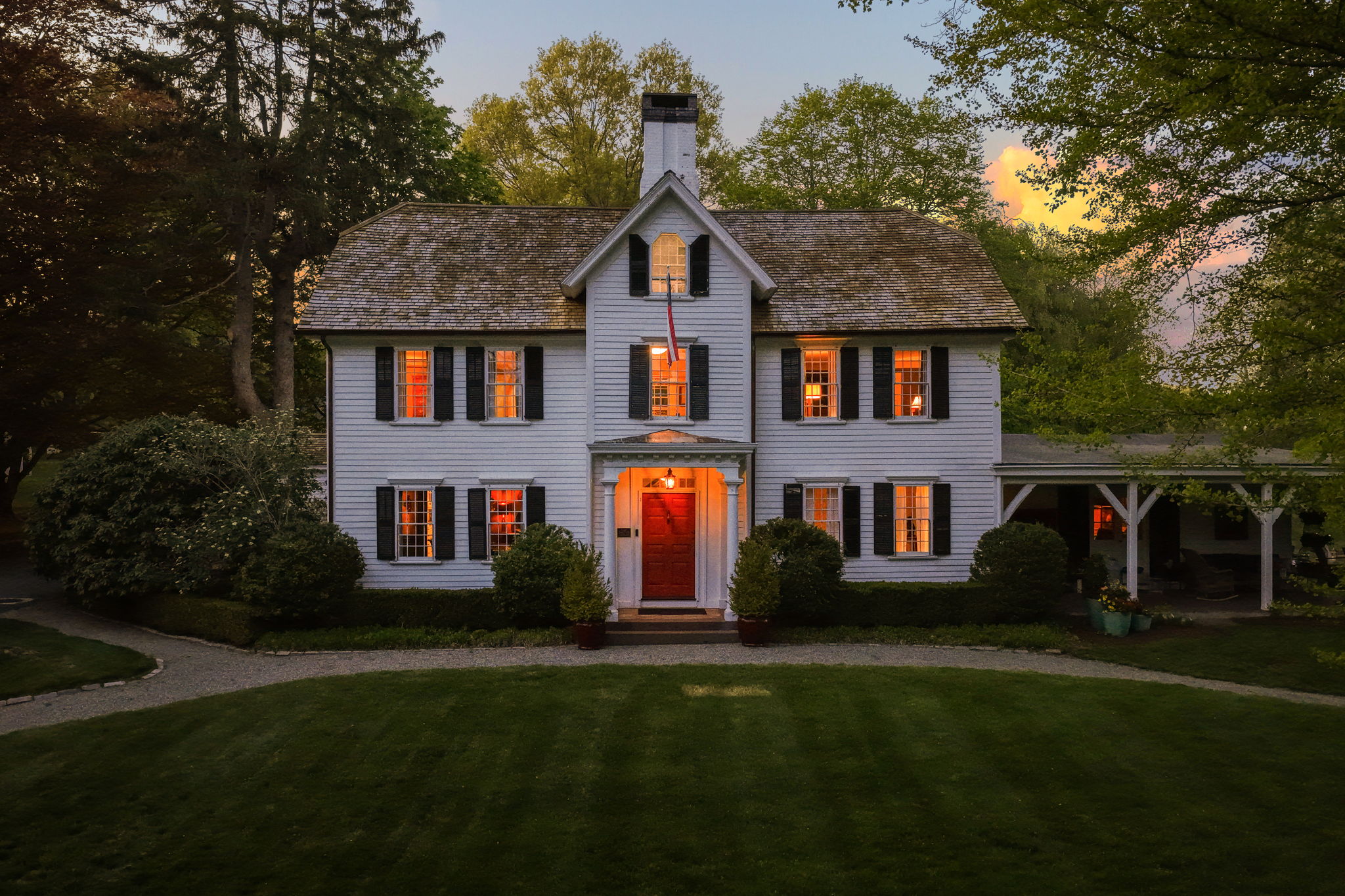
now: the current chapter
The current owners purchased the property in 2020 and have invested more than one million dollars in stewardship since, bringing every system and finish fully forward without disturbing what the house has accumulated over three centuries.
They also began a living guest book. Alongside the Annals, it now holds watercolors, drawings, cocktail recipes, observations written during a pandemic, entries from movie location scouts and historians. It is the ongoing chapter of a house that has never stopped accumulating meaning.
The history of The Grange is still being written.
Schedule a Private Showing
To walk through this property is to understand something that no page can fully convey.
This property will be available for private showings by appointment. To arrange a visit or request additional information, reach out below.
Contact info
Dean deTonnancourt
REMAX Revolution
Agent License #REC.0016995
Address & Socials
57 Old Forge Road, Potowomut, RI



Important links
© REMAX Revolution - All Rights Reserved.